Electric cars are transforming the automotive industry.
What began as an alternative to traditional gasoline-powered vehicles has developed into one of the most important areas of modern automotive engineering. Today’s electric vehicles can offer impressive acceleration, advanced software, sophisticated driver-assistance systems, long driving ranges, and increasingly capable charging technology.
Manufacturers are investing heavily in electric platforms, battery development, charging systems, electric motors, and software. From practical family vehicles to luxury sedans and high-performance machines, electric powertrains are now appearing throughout the automotive market.
At TechWorldsHub, we explore what makes electric vehicles different, how their technology works, and what their continued development means for the future of driving.
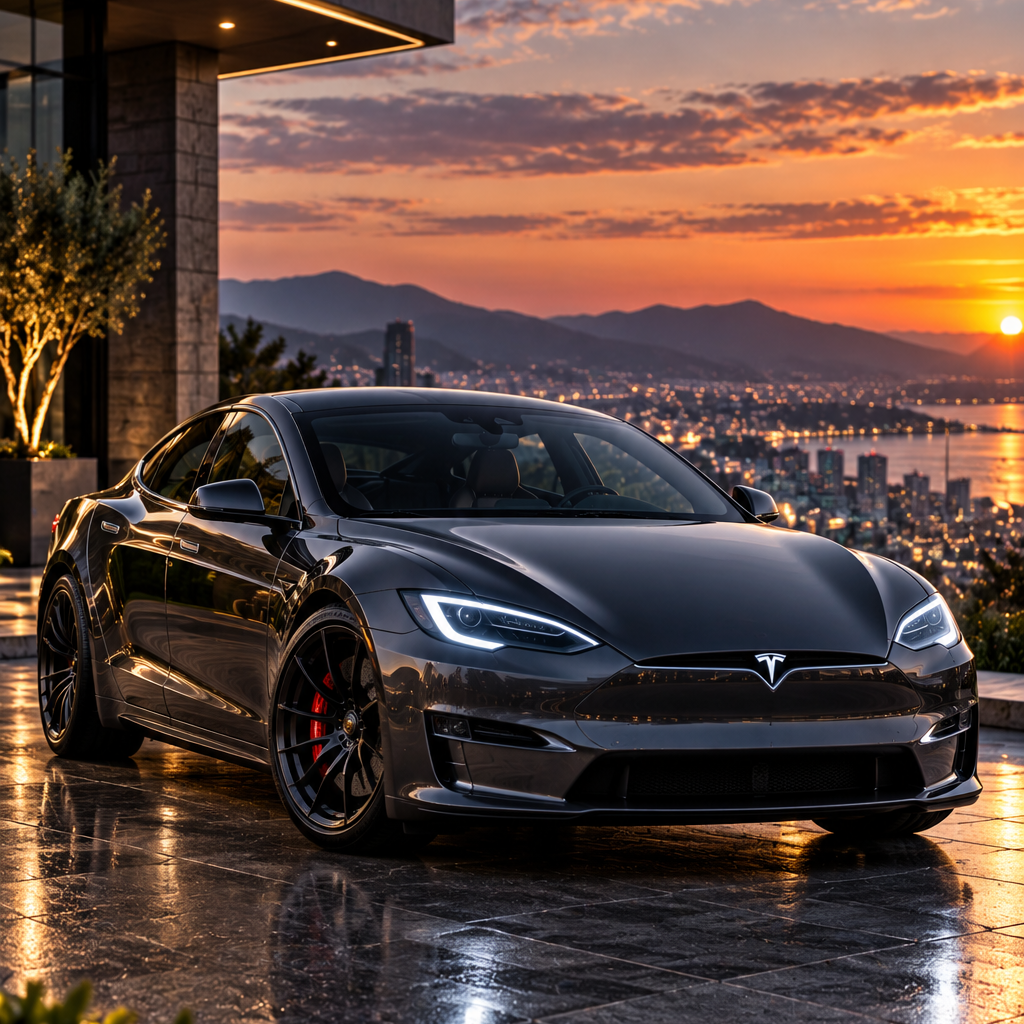
How Do Electric Cars Work?
A traditional vehicle uses an internal-combustion engine that burns fuel to produce power. A fully electric vehicle replaces that engine with one or more electric motors powered by electricity stored in a battery pack.
Although the basic principle sounds straightforward, modern EVs contain sophisticated technology.
The battery stores electrical energy. Power electronics control how that energy reaches the motor, while the electric motor converts electrical energy into movement.
A battery-management system continuously monitors important parameters such as temperature, charging conditions, and battery performance.
Software coordinates many of these systems to maximize performance, efficiency, and reliability.
One major advantage of electric motors is their immediate response. Unlike combustion engines that build power as engine speed increases, electric motors can deliver substantial torque almost instantly.
This is one reason many EVs feel extremely responsive from a standstill.
Electric Car Technology at a Glance
| Technology | Purpose | Main Benefit |
|---|---|---|
| Battery Pack | Stores electrical energy | Powers the vehicle |
| Electric Motor | Converts electricity into motion | Immediate torque and smooth acceleration |
| Regenerative Braking | Recovers energy during deceleration | Improves overall efficiency |
| Battery Management System | Monitors battery operation | Performance, safety and longevity |
| Thermal Management | Controls component temperatures | Consistent battery and motor performance |
| Fast Charging | Restores battery energy quickly | More convenient long-distance travel |
| Power Electronics | Controls electrical power | Efficient power delivery |
| Vehicle Software | Manages multiple systems | Optimization and connected features |
Battery Technology
The battery is one of the most important components of an electric vehicle.
Battery capacity influences how much energy an EV can store, but a larger battery does not automatically make a better electric car.
Large batteries add weight and cost. Engineers therefore need to balance capacity with efficiency, aerodynamics, vehicle size, performance, and charging capability.
Battery chemistry also matters. Different technologies can offer different combinations of energy density, durability, cost, charging characteristics, and thermal performance.
Modern EVs use sophisticated battery-management systems to monitor their packs and help maintain appropriate operating conditions.
As battery technology develops, manufacturers are working toward vehicles that can travel farther, charge faster, and potentially become more affordable.
Electric Car Performance
Electric vehicles have completely changed perceptions of EV performance.
Because electric motors can provide strong torque immediately, even relatively practical electric cars can deliver impressive acceleration.
High-performance EVs take this much further.
Multiple electric motors can be used to power different axles, creating sophisticated all-wheel-drive systems. Software can precisely control torque distribution and respond extremely quickly when traction conditions change.
However, acceleration is only one part of performance.
Battery packs are heavy, so engineers need carefully tuned suspension, powerful brakes, suitable tires, and intelligent chassis-control systems to manage that weight.
The best performance EVs combine straight-line speed with handling, braking, and consistent power delivery.
Range and Efficiency
Driving range remains one of the most discussed aspects of electric cars.
Several factors influence how far an EV can travel, including battery capacity, vehicle efficiency, driving speed, temperature, aerodynamic design, terrain, tire choice, and climate-control usage.
This means two vehicles with similarly sized batteries can potentially deliver different real-world ranges.
Efficiency is therefore extremely important.
Manufacturers use aerodynamic body designs, efficient motors, sophisticated software, low-resistance components, and regenerative braking to make better use of stored energy.
Rather than looking only at battery size, EV buyers should consider the relationship between battery capacity, efficiency, and real-world usability.
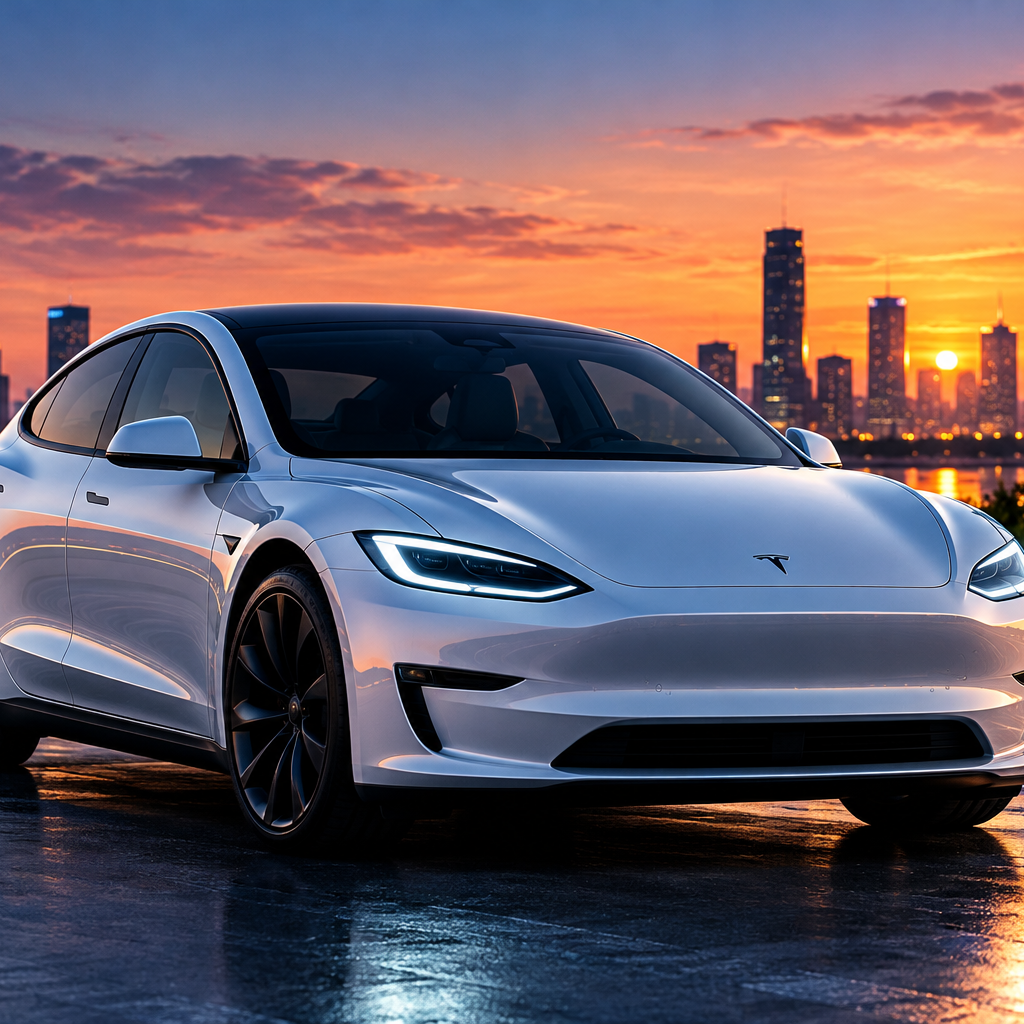
Charging Electric Cars
Charging is one of the biggest differences between owning an EV and a traditional combustion vehicle.
Many EV owners can charge their vehicles at home, allowing the car to recover energy while parked overnight.
For longer journeys, public fast-charging networks become more important.
Charging performance depends on the vehicle, charger, battery temperature, battery state of charge, and electrical architecture.
An EV’s advertised maximum charging rate also does not necessarily remain constant throughout the charging session. Charging speed commonly decreases as the battery becomes fuller.
For this reason, the overall charging curve and the time required to add useful driving range can matter more than one maximum figure.
Regenerative Braking
One of the most interesting features of electric vehicles is regenerative braking.
When a traditional car slows down, much of its kinetic energy is converted into heat through the braking system.
An EV can recover some of that energy.
During regeneration, the electric motor can operate as a generator, converting vehicle movement back into electrical energy and sending some of it to the battery.
Some electric vehicles offer strong regenerative braking that significantly slows the vehicle when the accelerator is released.
This can enable a driving style commonly known as one-pedal driving.
The Future of Electric Cars
Electric vehicles will continue evolving as manufacturers improve batteries, motors, charging technology, software, aerodynamics, and manufacturing processes.
Future EV development will likely focus heavily on improving efficiency rather than simply installing larger batteries.
Faster charging could make long journeys easier, while improvements in battery chemistry may help reduce weight and cost.
Software will also become increasingly important. Connected services, intelligent route planning, battery preconditioning, remote vehicle controls, and over-the-air updates can make EVs feel more like continuously evolving technology platforms.
Competition between manufacturers should continue pushing the industry forward.
Final Thoughts
Electric cars represent much more than replacing gasoline with electricity.
They are changing how vehicles are engineered.
Electric motors provide immediate response. Batteries create new packaging possibilities. Regenerative braking recovers energy that would otherwise be lost. Software controls increasingly important aspects of vehicle performance and efficiency.
Challenges remain, particularly around charging availability, battery costs, weight, and suitability for different users and regions.
But electric-vehicle technology is advancing rapidly.
Whether the future becomes fully electric or includes a mixture of electric, hybrid, and combustion technologies, EVs have already permanently changed the automotive industry.
TechWorldsHub — Cars. Performance. Technology. The Future.