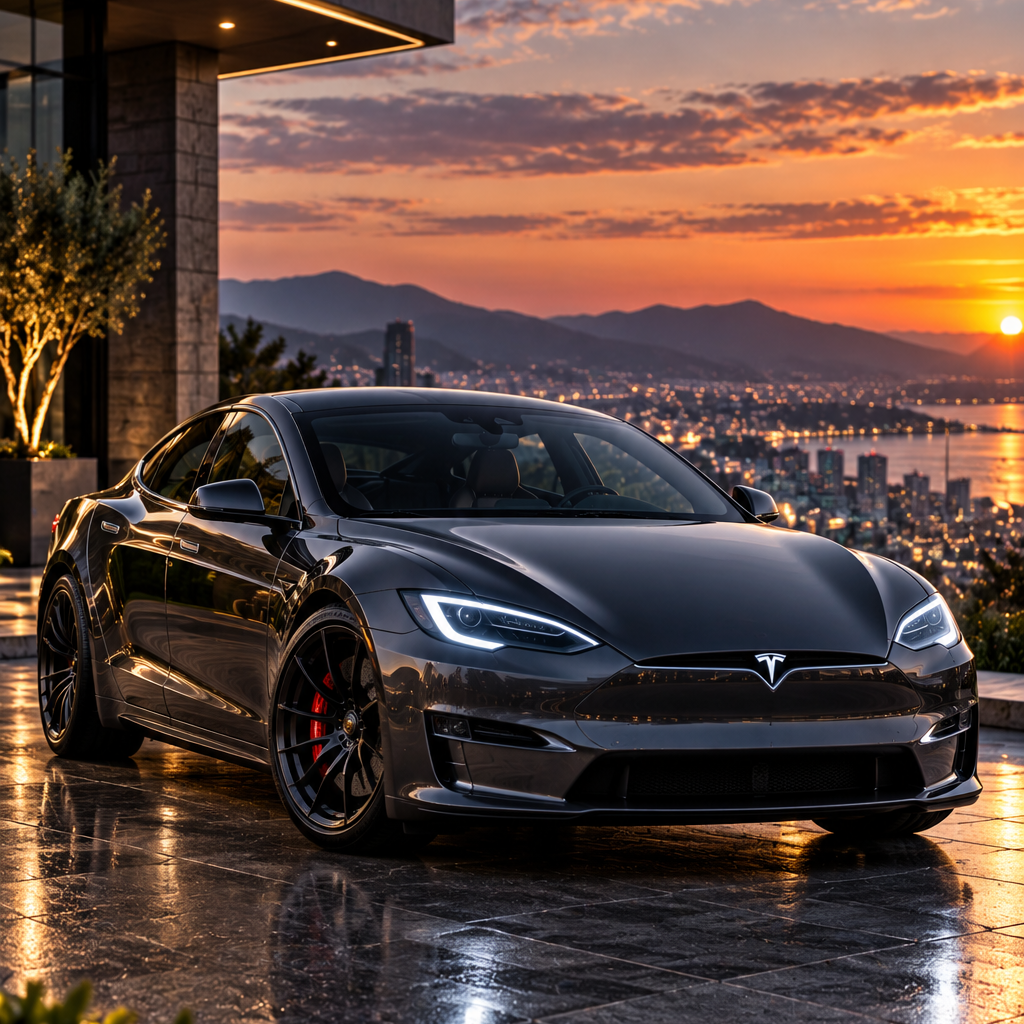
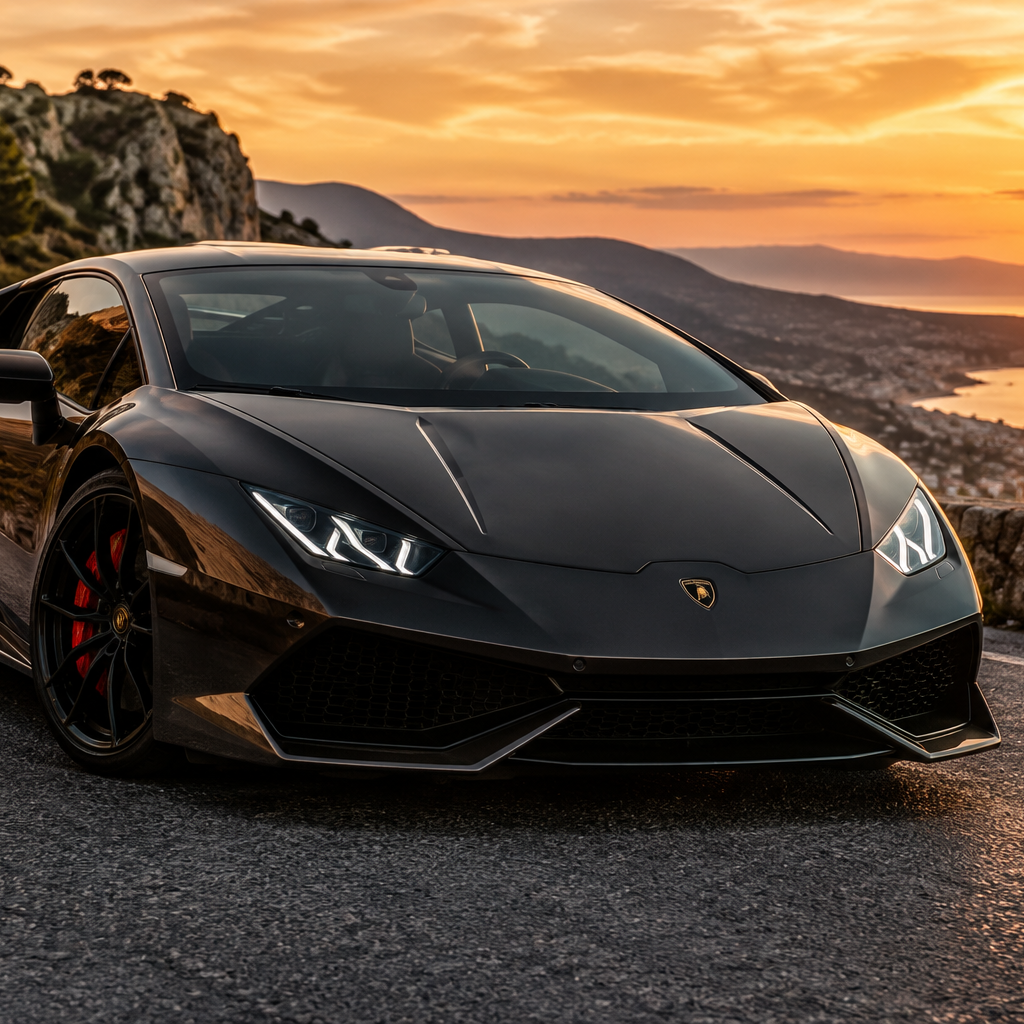
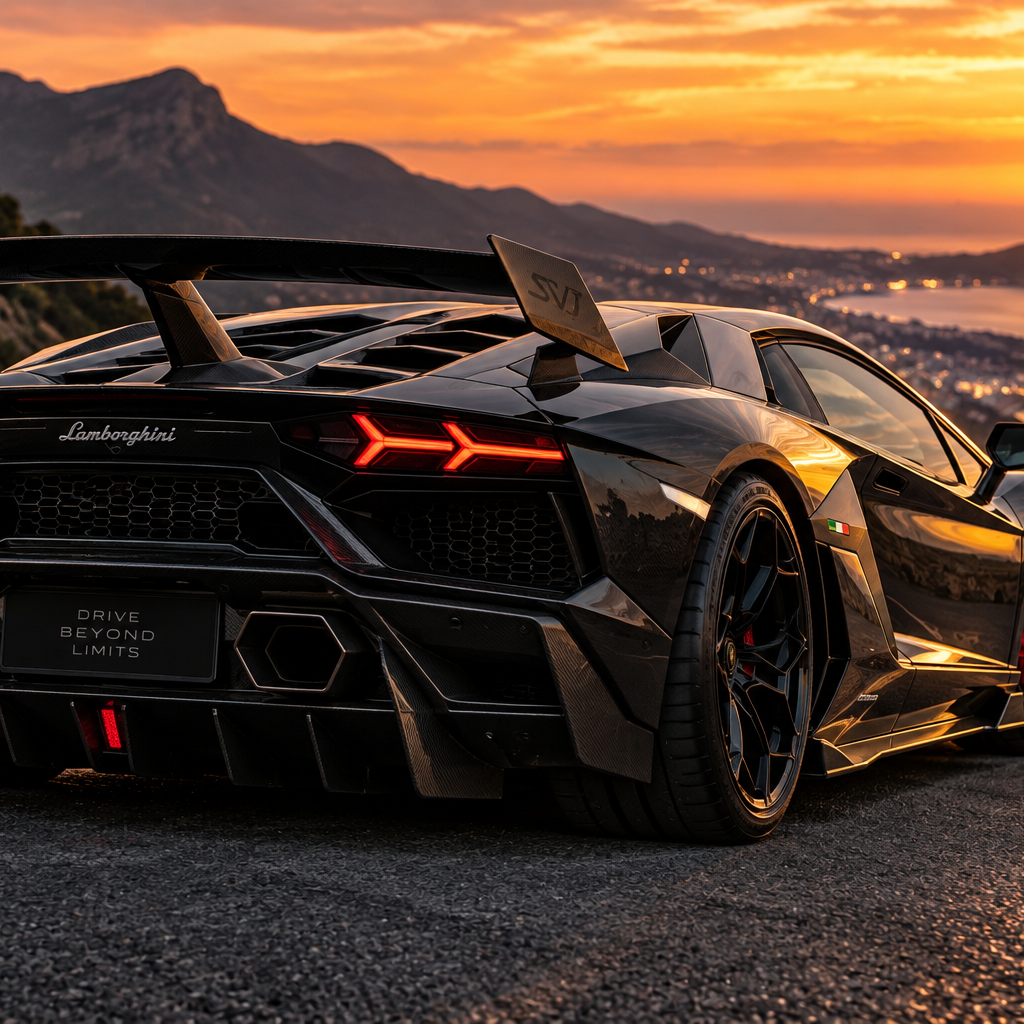
Tesla Model S: Electric Performance, Technology and the Sedan That Changed the EV World

The Tesla Model S is one of the most influential electric cars of the modern automotive era. When it first arrived, electric vehicles were still widely associated with limited range, modest performance, and significant compromises. The Model S helped challenge that perception by combining long-distance electric driving, strong performance, advanced software, a minimalist interior, and a large premium-sedan body.

Over the years, the Model S has continued to evolve. Improvements to its powertrain, battery management, software, interior technology, and performance have helped keep it relevant even as competition in the premium EV market has increased dramatically.

At the top of the range, the Model S Plaid demonstrates just how extreme electric performance can become. Its multi-motor powertrain delivers acceleration that places a large four-door sedan in territory traditionally associated with exotic performance cars.

But the Model S story is about much more than acceleration.
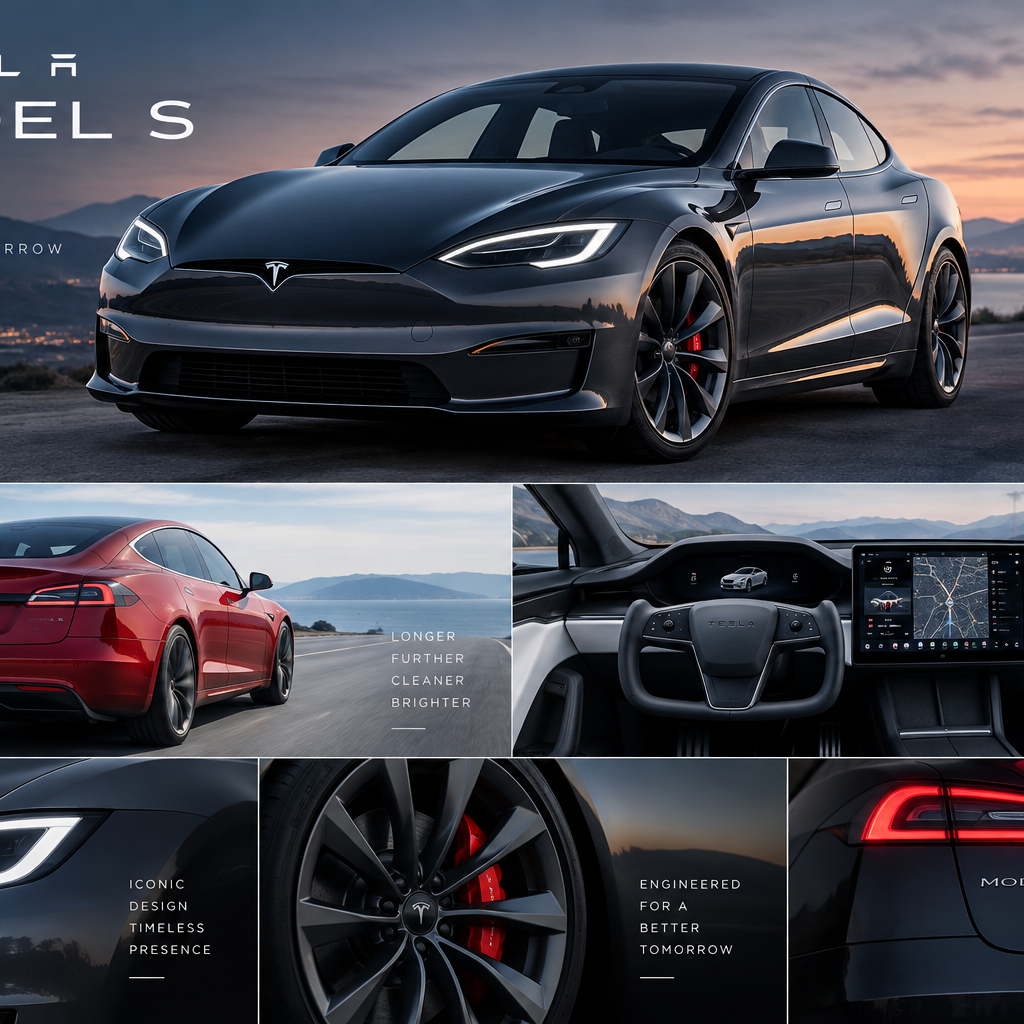
At TechWorldsHub, we’re taking a closer look at its performance, battery technology, charging, interior, software, practicality, and the reasons the Model S remains an important vehicle in the electric-car revolution.


Tesla Model S at a Glance

FeatureTesla Model S
Vehicle TypePremium all-electric sedan
PowertrainFully electric
DriveAll-wheel drive on current configurations
Performance VersionModel S Plaid
MotorsMultiple electric motors depending on version
BatteryLarge lithium-ion battery pack
ChargingAC charging + compatible DC fast charging
Key StrengthPerformance, range, software and technology
InfotainmentLarge central touchscreen
Software UpdatesOver-the-air capability
Regenerative BrakingYes
ManufacturerTesla

Specifications, features, range, pricing and configurations can vary by model year and market.


A Car That Changed Expectations

The importance of the Model S becomes clearer when considering the EV market that existed around its introduction.

Earlier electric cars often prioritized efficiency and environmental considerations over performance, luxury, or long-distance capability.

Tesla approached the problem differently.

Instead of trying to make an electric version of a conventional economy car, the company developed a large premium vehicle designed around an electric architecture.

The battery could be positioned beneath the passenger compartment, while electric motors eliminated the need for a traditional combustion engine and many associated components.

This architecture created several advantages.

A low-mounted battery helps create a low center of gravity. Electric motors can deliver immediate torque. The absence of a large engine can create additional storage opportunities, while software can control many vehicle systems.

The Model S demonstrated that an electric vehicle could be desirable because of its technology and performance—not simply because it didn’t use gasoline.
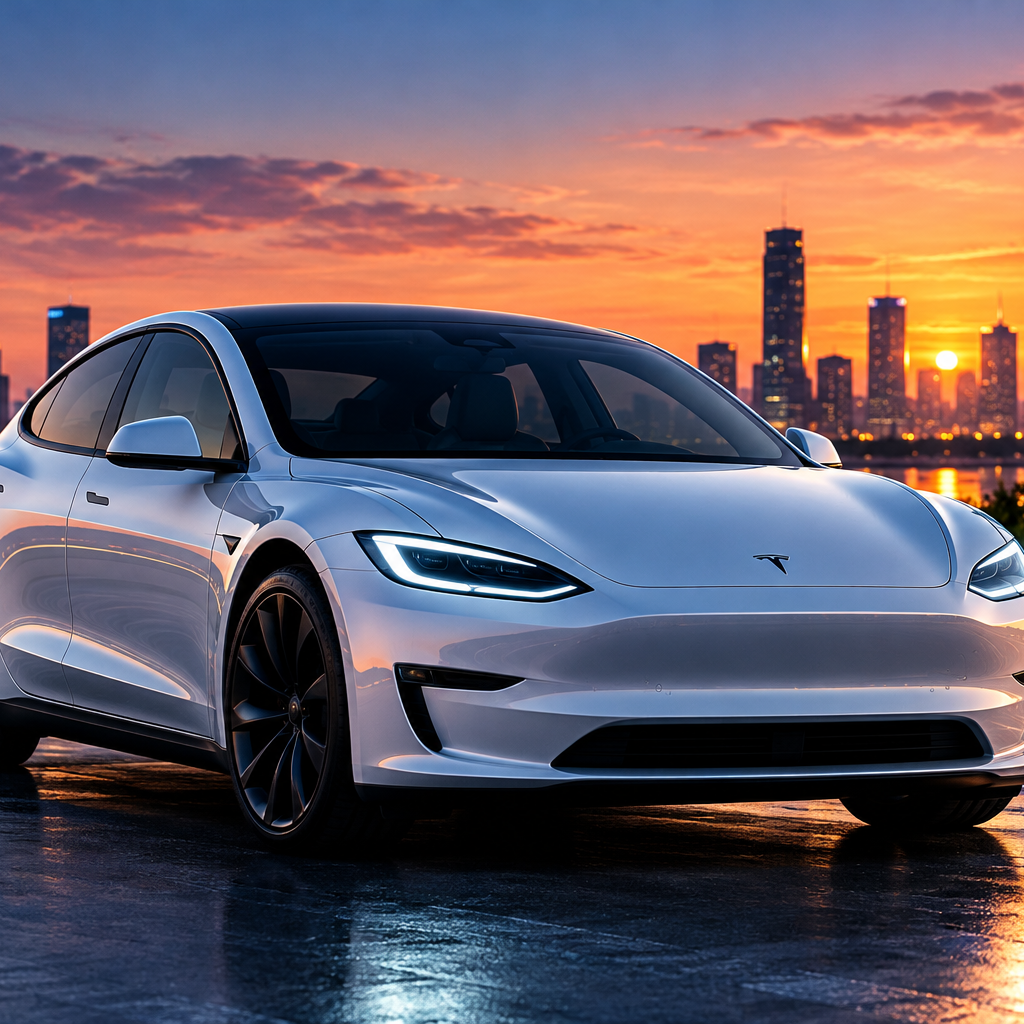

Model S Plaid Performance

Supercar Acceleration in a Four-Door Sedan

The Model S Plaid is the performance flagship of the range and one of the most remarkable examples of electric acceleration.

Its multi-motor architecture allows enormous power to be delivered through all four wheels.

Electric motors have a fundamental performance advantage: extremely rapid response.

A combustion engine must operate through a range of engine speeds and usually works with a transmission to keep the engine within an effective power band.

An electric motor can deliver strong torque almost immediately.

Combine that characteristic with all-wheel-drive traction and sophisticated electronic control, and the result can be extraordinary standing-start acceleration.

What makes the Model S Plaid particularly unusual is that this performance exists in a practical four-door vehicle.

This isn’t a tiny two-seat exotic car designed exclusively around speed.

It remains a sedan capable of carrying passengers and luggage.

That combination is central to the Model S Plaid’s appeal.
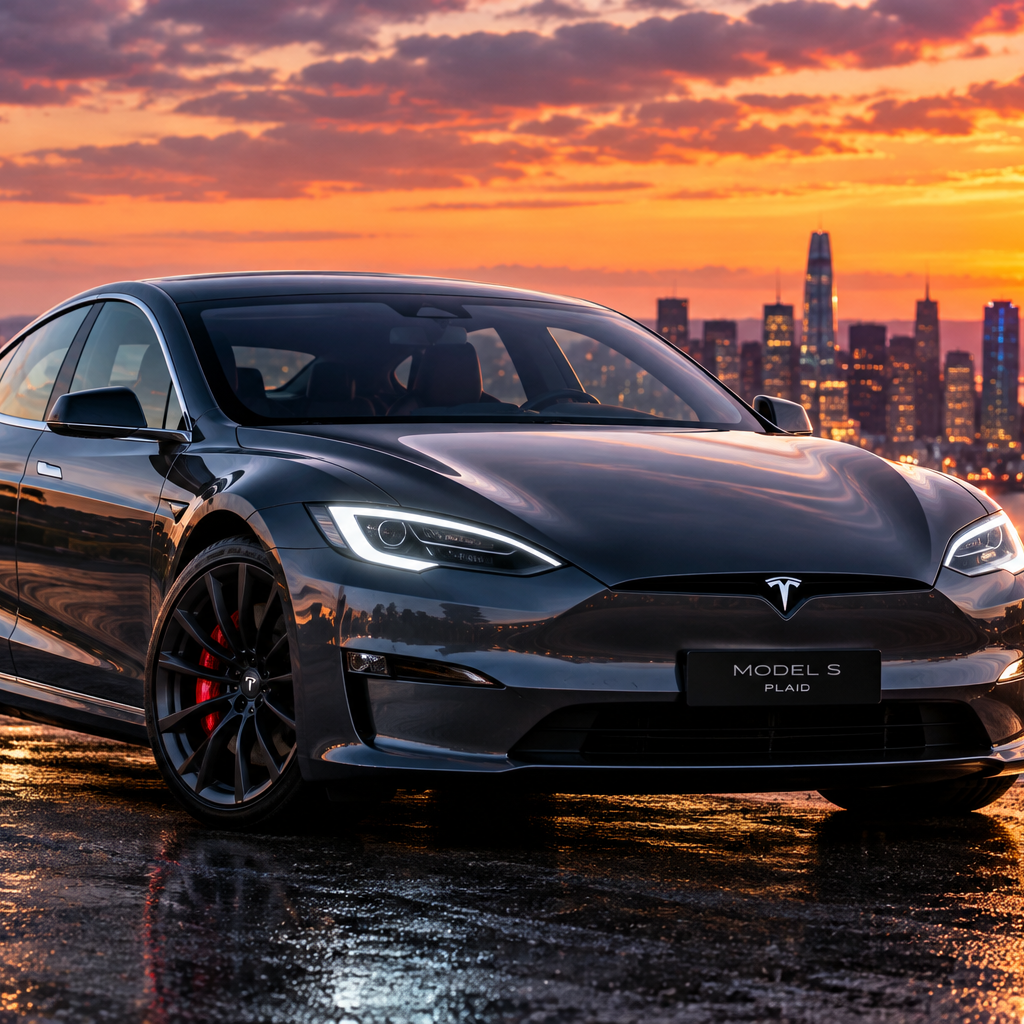

Electric Motors and All-Wheel Drive

Electric powertrains provide engineers with flexibility that can be difficult to achieve using traditional mechanical systems.

Instead of relying on one engine and a complex mechanical drivetrain to distribute power, an EV can use multiple motors.

The Model S uses electric all-wheel-drive technology, while the Plaid configuration takes the multi-motor approach further.

Electronic control allows the vehicle to manage power delivery rapidly according to traction and performance requirements.

This is one of the reasons modern high-performance EVs can launch so effectively.

There is no dramatic wheelspin required to create excitement.

Computers, motors, tires, and traction systems work together to deploy enormous amounts of performance.


Battery Technology

The Heart of the Model S

The battery pack is one of the most important components of any electric vehicle.

It determines how much energy the car can store and significantly influences range, performance, weight, charging, and cost.

However, battery capacity alone doesn’t determine whether an EV is efficient.

Vehicle aerodynamics, motor efficiency, software, temperature management, tire choice, driving conditions, and numerous other factors influence how far the vehicle can travel.

Battery thermal management is particularly important in a high-performance EV.

Hard acceleration and fast charging can generate heat.

The vehicle needs to keep its battery within suitable operating temperatures to maintain performance and protect the system.

Tesla’s experience developing battery management and electric powertrains has therefore been an important part of the Model S story.

Range and Efficiency

A high-performance electric vehicle isn’t particularly useful if its battery disappears after a short journey.

This is where the Model S has historically differentiated itself.

Tesla has focused heavily on extracting useful driving range from its battery systems through a combination of aerodynamics, efficient electric motors, software, and energy management.

Real-world EV range can vary substantially.

Driving at sustained high speeds generally consumes more energy.

Cold temperatures can affect efficiency.

Aggressive acceleration increases consumption.

Climate-control use, wheels, tires, elevation changes, and weather can also influence results.

For buyers, this means an advertised range figure should be treated as a standardized comparison point rather than a guarantee of identical real-world performance.

The Model S remains interesting because it attempts to combine strong range with extremely high performance.


Charging the Tesla Model S

Charging is one of the most important aspects of electric-car ownership.

For everyday use, many EV owners can charge at home. This changes the traditional fueling experience considerably.

Instead of driving somewhere specifically to refuel, the vehicle can recover energy while parked.

Long-distance travel creates different requirements.

Fast charging becomes important because drivers want to add significant useful range without waiting for extended periods.

Tesla’s charging ecosystem has historically been one of the major components of the company’s EV strategy.

The Model S can use compatible fast-charging infrastructure to replenish its battery during longer journeys.

However, charging speed isn’t constant.

Battery temperature and state of charge can influence the rate, and charging commonly becomes slower as the battery approaches a high state of charge.

This is why efficient route planning can be important during long EV journeys.


Regenerative Braking

The Model S also takes advantage of one of the most useful features of electric powertrains: regenerative braking.

When a conventional car slows down using friction brakes, much of its kinetic energy becomes heat.

Electric vehicles can recover some of that energy.

When the driver releases the accelerator, the electric motors can help slow the vehicle while operating as generators.

Some of the recovered energy can then be returned to the battery.

Strong regeneration also changes the driving experience.

Drivers can often control a substantial amount of acceleration and deceleration using the accelerator pedal.

This is commonly referred to as one-pedal driving.

Once a driver becomes accustomed to it, the experience can feel natural and smooth.


Minimalist Interior

Step inside the Model S and the philosophy is very different from that of many traditional luxury sedans.

Rather than filling the dashboard with large numbers of physical buttons, Tesla places considerable emphasis on digital controls and displays.

The large central touchscreen serves as the primary interface for many vehicle functions.

This creates a clean and futuristic appearance.

Supporters appreciate the simplicity.

Others may prefer dedicated physical controls for frequently used functions.

This makes the Model S interior an interesting example of a larger debate occurring throughout the automotive industry.

How much control should move to touchscreens?

Manufacturers increasingly need to balance visual simplicity and software flexibility against usability and driver distraction.


Infotainment and Software

A Software-First Approach to the Car

Software is one of the areas where Tesla has had a major influence on the automotive industry.

Traditional vehicles were historically treated primarily as mechanical products.

Once they left the factory, their functionality changed relatively little.

The Model S helped popularize a different approach.

Over-the-air software updates can allow compatible vehicle systems to receive improvements without requiring every change to be performed during a traditional workshop visit.

Software also manages numerous aspects of the Model S experience.

Navigation, charging information, climate settings, entertainment, vehicle configuration, energy monitoring, and other features are integrated into the digital ecosystem.

This software-focused philosophy has influenced competitors throughout the industry.

Modern manufacturers increasingly talk about the software-defined vehicle—a concept Tesla helped bring into mainstream automotive discussion.


Driver-Assistance Technology

Tesla is also closely associated with advanced driver-assistance technology.

Modern vehicles can use cameras, computing hardware, and software to assist drivers with certain aspects of driving.

Depending on vehicle configuration, software version, market, and applicable regulations, capabilities can differ.

It is important to distinguish driver-assistance technology from fully autonomous driving.

Drivers should always understand the capabilities and limitations of the specific system they are using and follow the manufacturer’s instructions and local laws.

The broader technological significance is undeniable.

Vehicles are becoming increasingly capable of analyzing the road around them, and computing power is becoming an important part of automotive safety and convenience.


Model S vs Traditional Performance Sedan

AreaTesla Model STraditional Performance Sedan
Power SourceElectricityGasoline/hybrid varies
Power DeliveryImmediate electric responseBuilds with engine speed
TransmissionNo conventional multi-speed gearboxUsually automatic/DCT
RefuelingBattery chargingFuel station
Regenerative BrakingYesLimited/none unless hybrid
Software FocusVery highIncreasing rapidly
Engine SoundMinimal powertrain soundMajor part of experience
AccelerationExtremely strong in PlaidStrong but drivetrain-dependent
UpdatesExtensive software capabilityVaries by manufacturer

Neither approach is automatically better for every driver.

They provide fundamentally different experiences.


Practicality

One of the Model S’s greatest advantages over traditional exotic performance cars is practicality.

It offers four doors, useful passenger space, and cargo capacity suitable for normal life.

The absence of a conventional engine can also provide additional storage at the front of the vehicle.

This means a Model S Plaid can offer extraordinary acceleration without requiring owners to accept all the compromises normally associated with an exotic supercar.

You can experience extreme performance and still carry passengers and luggage.

That combination helped redefine what a high-performance vehicle could be.


Where the Model S Faces Competition

The premium electric market is much more competitive today than when the Model S originally established itself.

Traditional luxury manufacturers and newer EV companies now offer sophisticated electric sedans and performance vehicles.

Competition increasingly focuses on more than acceleration.

Interior quality, ride comfort, charging, efficiency, software, driver-assistance systems, design, handling, refinement, and customer experience all matter.

This competition is positive for consumers.

Tesla’s success pushed established manufacturers to take EVs more seriously, and increasing competition now pushes Tesla to continue improving.


Why the Tesla Model S Matters

Even readers who prefer combustion-powered cars can recognize the Model S’s influence.

It helped prove that electric cars could be:

Fast

Desirable

Technologically advanced

Long-distance capable

Premium

Practical

It also helped accelerate broader industry interest in large-scale EV development.

Many of the conversations dominating today’s automotive market—charging infrastructure, battery technology, software-defined vehicles, electric performance, and over-the-air updates—became much more prominent as cars like the Model S gained popularity.


Final Thoughts

The Tesla Model S is more than an electric luxury sedan.

It represents a major change in how cars can be designed and experienced.

The Model S combines electric motors, battery technology, advanced software, connectivity, regenerative braking, long-distance capability, and exceptional performance within a practical four-door package.

The Model S Plaid pushes that formula to an extreme, demonstrating that electric vehicles can deliver acceleration once associated almost exclusively with exotic performance cars.

Competition has become much stronger, and the EV market will continue changing rapidly. New battery technologies, charging systems, electric platforms, and increasingly sophisticated software will continue challenging today’s leaders.

But regardless of how the market develops, the Model S has already secured an important place in automotive history.

It helped transform the electric car from an alternative form of transportation into a serious performance and technology platform.

TechWorldsHub — Cars. Performance. Technology. The Future.
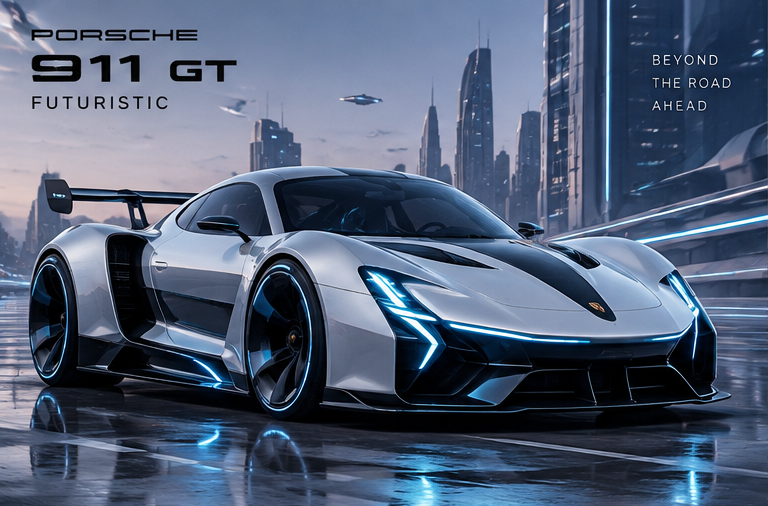
Porsche 911 GT3: Performance, Engineering and the Ultimate Driver’s 911

The Porsche 911 GT3 represents one of the purest expressions of performance within the legendary 911 family. While many modern sports cars chase ever-larger horsepower figures, the GT3 follows a more focused philosophy: combine high-revving performance, exceptional chassis engineering, advanced aerodynamics and direct driver involvement.

Developed with strong connections to Porsche’s motorsport experience, the 911 GT3 sits between a road-going sports car and a track-focused performance machine. It remains usable on public roads while incorporating technology designed to perform under demanding driving conditions.

For enthusiasts, the attraction of the GT3 goes far beyond acceleration figures. Its naturally aspirated flat-six engine, distinctive sound, precise steering, aerodynamic design and carefully engineered chassis give the car a character that is increasingly rare.

At TechWorldsHub, we’re taking a closer look at what makes the Porsche 911 GT3 such an important performance car.


Porsche 911 GT3 at a Glance

FeaturePorsche 911 GT3
Vehicle TypeHigh-performance sports car
Engine LayoutRear-mounted naturally aspirated flat-six
DisplacementApproximately 4.0 liters
Maximum PowerAround 500+ hp, depending on model/version
TransmissionPDK automatic or manual, depending on configuration
DrivetrainRear-wheel drive
Engine CharacterHigh-revving naturally aspirated
Key FocusRoad and track performance
AerodynamicsPerformance-focused aero package
Rear-Wheel SteeringAvailable/used on modern GT3 generations
SeatingPrimarily two-seat performance configuration
ManufacturerPorsche

Specifications can vary by model year, market and configuration.


A Different Kind of Performance Car

The modern performance-car market contains machines producing extraordinary horsepower.

Some rely on turbocharged engines. Others combine combustion engines with electric motors, while high-performance EVs can generate immediate torque from multiple electric motors.

The Porsche 911 GT3 takes a different approach.

Instead of focusing exclusively on maximum straight-line performance, Porsche concentrates on the relationship between the driver, engine, chassis and road.

The GT3’s naturally aspirated engine is central to that philosophy.

Without turbochargers fundamentally defining its power delivery, the engine is designed to reward drivers who explore the upper part of its rev range.

The experience becomes progressively more dramatic as engine speed increases.

For many enthusiasts, that interaction is exactly what separates the GT3 from less focused performance cars.


The Naturally Aspirated Flat-Six Engine

The Heart of the GT3

One of the defining characteristics of the Porsche 911 GT3 is its naturally aspirated flat-six engine.

The flat engine layout has been closely associated with the Porsche 911 for generations.

In a flat-six configuration, cylinders are arranged horizontally on opposite sides of the engine. This helps create a relatively low engine profile and contributes to the distinctive character of the 911.

In the GT3, Porsche takes this concept and develops it specifically for high-performance driving.

Rather than relying heavily on forced induction to create enormous low-RPM torque, the engine encourages drivers to use its rev range.

Throttle response is particularly important.

A naturally aspirated performance engine can provide an immediate connection between accelerator movement and engine response, contributing to the GT3’s reputation as a driver’s car.

And then there is the sound.

As engine speed rises, the GT3 develops the unmistakable mechanical soundtrack that has become one of its defining characteristics.


Manual or PDK?

Another reason the GT3 attracts enthusiasts is the availability, depending on version and market, of different transmission experiences.

Porsche’s PDK dual-clutch transmission is designed to shift extremely quickly.

For drivers focused on lap times and maximum performance, rapid gear changes can provide a meaningful advantage. The transmission can keep the engine within its optimal operating range while minimizing interruption to acceleration.

A manual transmission offers something different.

It requires greater driver involvement.

Changing gears becomes part of the experience rather than an operation performed almost instantaneously by the vehicle.

The faster option is not automatically the most enjoyable option for every driver.

That choice reflects the broader GT3 philosophy: performance is important, but interaction matters too.


Aerodynamics Designed for Performance

The GT3’s aggressive appearance isn’t simply styling.

Aerodynamics play a major role in its design.

At higher speeds, managing airflow becomes increasingly important. Engineers need to reduce unwanted lift, maintain stability and generate useful aerodynamic load without creating excessive drag.

Depending on the GT3 generation and configuration, aerodynamic elements can include a substantial rear wing, front aerodynamic components, carefully shaped underbody sections and other airflow-management features.

These elements help the car remain stable during demanding high-speed driving.

The rear wing is particularly recognizable.

It immediately distinguishes many GT3 models from less track-focused 911 variants, but its purpose extends beyond appearance.

The objective is to make airflow contribute to performance.


Chassis Engineering

Horsepower Is Only Part of the Equation

A performance car can have an extraordinary engine and still disappoint if its chassis cannot use the available power effectively.

This is an area where the GT3 philosophy becomes particularly clear.

Suspension geometry, damping, steering, tire behavior, weight distribution, braking and electronic control systems all influence how confidently a driver can use the car’s performance.

Porsche engineers the GT3 around cornering capability and feedback rather than simply straight-line acceleration.

Modern GT3 generations have introduced increasingly sophisticated suspension solutions derived partly from Porsche’s motorsport knowledge.

The result is a car intended to remain composed during aggressive direction changes while communicating what the tires and chassis are doing.

That communication matters.

A fast car can become significantly more rewarding when the driver understands how close it is to its limits.


Rear-Wheel Steering

Rear-wheel steering is one of the technologies used to increase the 911 GT3’s agility and stability.

At lower speeds, the rear wheels can steer in a direction that effectively helps the car change direction more easily.

At higher speeds, the system can operate differently to improve stability.

The driver doesn’t need to manually control any of this.

The system works as part of the vehicle’s overall chassis technology.

It is an excellent example of modern electronics enhancing a fundamentally mechanical driving experience without necessarily dominating it.


Serious Braking Performance

Going fast is only useful if the car can repeatedly slow down with confidence.

Track driving creates enormous demands on braking systems.

Repeated heavy braking generates substantial heat, and a performance braking system needs to manage those temperatures while providing consistent pedal response.

The GT3 uses serious braking hardware appropriate for its performance capabilities, with higher-end braking options available depending on configuration.

Carbon-ceramic braking technology may also be available in certain configurations.

Beyond raw stopping ability, braking feel matters enormously in a track-focused sports car.

Drivers need to understand how much braking force they are applying and how the car is responding.

That feedback can make braking one of the most satisfying parts of driving a well-engineered performance car.


A Motorsport-Inspired Interior

Step inside a GT3 and the relationship with motorsport becomes more apparent.

The cabin remains recognizably Porsche 911, but the emphasis is on driving.

The seating position, steering wheel, instrumentation and controls are designed to keep important information accessible.

Depending on configuration, buyers may have access to more aggressively shaped seats and other performance-focused options.

Digital technology has naturally become part of newer 911 interiors, but the GT3 remains centered around the driver.

This balance is important.

A modern performance car needs technology, but technology shouldn’t distract from the reason the car exists.

In the GT3, the road—or racetrack—remains the main attraction.


Porsche 911 GT3 vs a Conventional Sports Car

Area911 GT3 ApproachConventional Sports Car
EngineHigh-revving, naturally aspirated focusOften turbocharged
Primary GoalDriver involvement + track performanceBroader everyday performance
AerodynamicsExtensive performance-focused aeroUsually less aggressive
SuspensionTrack-oriented engineeringMore comfort-oriented
TransmissionPDK/manual depending on versionAutomatic/manual varies
BrakesDesigned for demanding performance useUsually less track-focused
InteriorDriver-centeredOften greater comfort emphasis
CharacterMotorsport-inspiredRoad-focused

The comparison demonstrates why the GT3 isn’t simply a faster version of an ordinary 911.

Its entire engineering philosophy is different.


GT3 vs GT3 RS

The 911 GT3 RS takes the GT3 philosophy significantly further toward track performance.

While the GT3 attempts to maintain a remarkable balance between road usability and circuit capability, the GT3 RS places greater emphasis on aerodynamics, weight optimization and track-focused engineering.

The RS is typically visually more extreme.

Its aerodynamic package can be substantially more aggressive, with large wings, vents and other components designed to manage airflow.

For someone primarily interested in maximum track capability, the RS represents the more extreme proposition.

For drivers who want an extraordinary track-capable machine while preserving more of the traditional road-going GT3 experience, the standard GT3 can be particularly appealing.

Neither philosophy is automatically better.

They simply prioritize the performance experience differently.


Can You Drive a GT3 Every Day?

Technically, the GT3 remains a road car.

That is part of what makes it fascinating.

It provides performance and engineering associated with track driving while retaining the ability to operate on ordinary roads.

However, everyday usability depends heavily on what a driver expects.

Its suspension and seating can be more focused than those of a normal road car. Ground clearance requires greater attention. Road noise and ride comfort may not match luxury-oriented 911 variants.

Cargo space is naturally limited compared with conventional vehicles.

But those compromises are part of the GT3’s character.

It was never designed to be the most comfortable 911.

It was designed to be one of the most engaging.


Why the Porsche 911 GT3 Is Special

Modern performance cars are becoming incredibly sophisticated.

Turbocharging produces enormous power.

Hybrid systems add electric assistance.

Electric vehicles can achieve extraordinary acceleration.

Software manages increasingly complex vehicle systems.

Against this background, the GT3’s philosophy feels almost unusual.

It combines modern chassis technology and sophisticated electronics with a naturally aspirated, high-revving engine and a strong focus on driver involvement.

That combination gives the car its identity.

It doesn’t need to win every specification comparison to be significant.

The GT3’s purpose is to make driving memorable.


Final Thoughts

The Porsche 911 GT3 demonstrates that great performance cars are about much more than horsepower.

Its appeal comes from the relationship between its naturally aspirated flat-six engine, chassis, aerodynamics, braking system, steering, transmission and driver.

Every major component contributes to a single objective: creating an engaging performance experience.

There are faster cars.

There are more powerful cars.

There are more technologically extravagant cars.

But very few combine modern engineering with traditional driver involvement in quite the same way.

As the automotive industry moves deeper into electrification, software-defined vehicles and increasingly automated technology, cars like the GT3 demonstrate why the emotional side of automotive engineering still matters.

For enthusiasts who value precision, sound, response and connection, the Porsche 911 GT3 remains one of the most fascinating driver’s cars in the modern automotive world.

TechWorldsHub — Cars. Performance. Technology. The Future.

Electric Cars in 2026: Technology, Performance and the Future of Driving

Electric cars are transforming the automotive industry.

What began as an alternative to traditional gasoline-powered vehicles has developed into one of the most important areas of modern automotive engineering. Today’s electric vehicles can offer impressive acceleration, advanced software, sophisticated driver-assistance systems, long driving ranges, and increasingly capable charging technology.

Manufacturers are investing heavily in electric platforms, battery development, charging systems, electric motors, and software. From practical family vehicles to luxury sedans and high-performance machines, electric powertrains are now appearing throughout the automotive market.

At TechWorldsHub, we explore what makes electric vehicles different, how their technology works, and what their continued development means for the future of driving.

How Do Electric Cars Work?

A traditional vehicle uses an internal-combustion engine that burns fuel to produce power. A fully electric vehicle replaces that engine with one or more electric motors powered by electricity stored in a battery pack.

Although the basic principle sounds straightforward, modern EVs contain sophisticated technology.

The battery stores electrical energy. Power electronics control how that energy reaches the motor, while the electric motor converts electrical energy into movement.

A battery-management system continuously monitors important parameters such as temperature, charging conditions, and battery performance.

Software coordinates many of these systems to maximize performance, efficiency, and reliability.

One major advantage of electric motors is their immediate response. Unlike combustion engines that build power as engine speed increases, electric motors can deliver substantial torque almost instantly.

This is one reason many EVs feel extremely responsive from a standstill.


Electric Car Technology at a Glance

TechnologyPurposeMain Benefit
Battery PackStores electrical energyPowers the vehicle
Electric MotorConverts electricity into motionImmediate torque and smooth acceleration
Regenerative BrakingRecovers energy during decelerationImproves overall efficiency
Battery Management SystemMonitors battery operationPerformance, safety and longevity
Thermal ManagementControls component temperaturesConsistent battery and motor performance
Fast ChargingRestores battery energy quicklyMore convenient long-distance travel
Power ElectronicsControls electrical powerEfficient power delivery
Vehicle SoftwareManages multiple systemsOptimization and connected features

Battery Technology

The battery is one of the most important components of an electric vehicle.

Battery capacity influences how much energy an EV can store, but a larger battery does not automatically make a better electric car.

Large batteries add weight and cost. Engineers therefore need to balance capacity with efficiency, aerodynamics, vehicle size, performance, and charging capability.

Battery chemistry also matters. Different technologies can offer different combinations of energy density, durability, cost, charging characteristics, and thermal performance.

Modern EVs use sophisticated battery-management systems to monitor their packs and help maintain appropriate operating conditions.

As battery technology develops, manufacturers are working toward vehicles that can travel farther, charge faster, and potentially become more affordable.


Electric Car Performance

Electric vehicles have completely changed perceptions of EV performance.

Because electric motors can provide strong torque immediately, even relatively practical electric cars can deliver impressive acceleration.

High-performance EVs take this much further.

Multiple electric motors can be used to power different axles, creating sophisticated all-wheel-drive systems. Software can precisely control torque distribution and respond extremely quickly when traction conditions change.

However, acceleration is only one part of performance.

Battery packs are heavy, so engineers need carefully tuned suspension, powerful brakes, suitable tires, and intelligent chassis-control systems to manage that weight.

The best performance EVs combine straight-line speed with handling, braking, and consistent power delivery.


Range and Efficiency

Driving range remains one of the most discussed aspects of electric cars.

Several factors influence how far an EV can travel, including battery capacity, vehicle efficiency, driving speed, temperature, aerodynamic design, terrain, tire choice, and climate-control usage.

This means two vehicles with similarly sized batteries can potentially deliver different real-world ranges.

Efficiency is therefore extremely important.

Manufacturers use aerodynamic body designs, efficient motors, sophisticated software, low-resistance components, and regenerative braking to make better use of stored energy.

Rather than looking only at battery size, EV buyers should consider the relationship between battery capacity, efficiency, and real-world usability.

Charging Electric Cars

Charging is one of the biggest differences between owning an EV and a traditional combustion vehicle.

Many EV owners can charge their vehicles at home, allowing the car to recover energy while parked overnight.

For longer journeys, public fast-charging networks become more important.

Charging performance depends on the vehicle, charger, battery temperature, battery state of charge, and electrical architecture.

An EV’s advertised maximum charging rate also does not necessarily remain constant throughout the charging session. Charging speed commonly decreases as the battery becomes fuller.

For this reason, the overall charging curve and the time required to add useful driving range can matter more than one maximum figure.


Regenerative Braking

One of the most interesting features of electric vehicles is regenerative braking.

When a traditional car slows down, much of its kinetic energy is converted into heat through the braking system.

An EV can recover some of that energy.

During regeneration, the electric motor can operate as a generator, converting vehicle movement back into electrical energy and sending some of it to the battery.

Some electric vehicles offer strong regenerative braking that significantly slows the vehicle when the accelerator is released.

This can enable a driving style commonly known as one-pedal driving.


The Future of Electric Cars

Electric vehicles will continue evolving as manufacturers improve batteries, motors, charging technology, software, aerodynamics, and manufacturing processes.

Future EV development will likely focus heavily on improving efficiency rather than simply installing larger batteries.

Faster charging could make long journeys easier, while improvements in battery chemistry may help reduce weight and cost.

Software will also become increasingly important. Connected services, intelligent route planning, battery preconditioning, remote vehicle controls, and over-the-air updates can make EVs feel more like continuously evolving technology platforms.

Competition between manufacturers should continue pushing the industry forward.


Final Thoughts

Electric cars represent much more than replacing gasoline with electricity.

They are changing how vehicles are engineered.

Electric motors provide immediate response. Batteries create new packaging possibilities. Regenerative braking recovers energy that would otherwise be lost. Software controls increasingly important aspects of vehicle performance and efficiency.

Challenges remain, particularly around charging availability, battery costs, weight, and suitability for different users and regions.

But electric-vehicle technology is advancing rapidly.

Whether the future becomes fully electric or includes a mixture of electric, hybrid, and combustion technologies, EVs have already permanently changed the automotive industry.

TechWorldsHub — Cars. Performance. Technology. The Future.
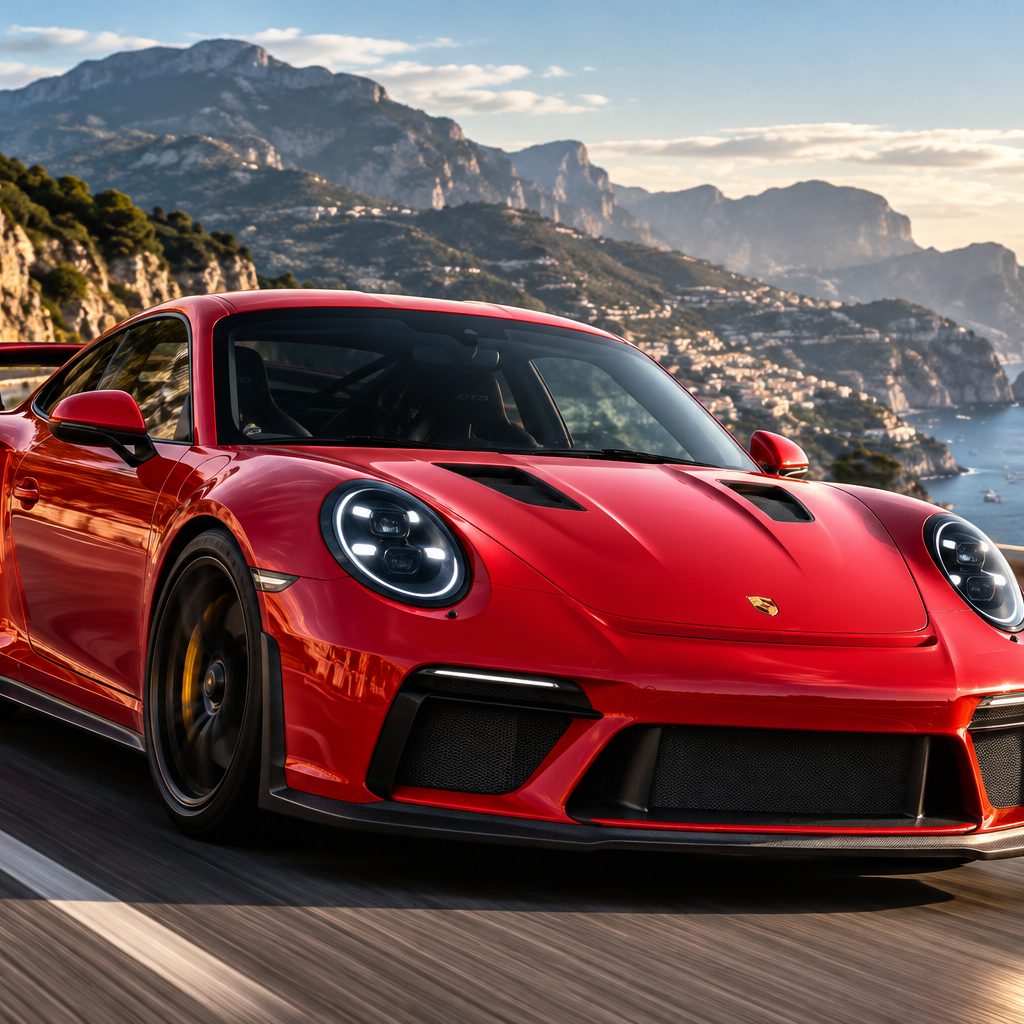
Supercars in 2026: Performance, Technology and the Machines Redefining Speed

Supercars have always represented the extreme end of automotive engineering. They combine dramatic styling, enormous performance, advanced aerodynamics and technologies that manufacturers often develop without the compromises associated with ordinary vehicles.

But the modern supercar is changing.

Horsepower is still important, yet manufacturers are increasingly using electrification, sophisticated software, active aerodynamics and advanced materials to improve performance. The result is a new generation of machines in which combustion engines, electric motors and computers can work together.

From Lamborghini and Ferrari to McLaren, Porsche and other performance-focused manufacturers, today’s supercars demonstrate how rapidly automotive engineering is advancing.

At TechWorldsHub, we’re looking at what makes modern supercars extraordinary—and why the technology developed for these machines matters far beyond outright speed.


What Actually Makes a Car a Supercar?

There is no universal specification that automatically transforms a sports car into a supercar.

Instead, the term generally describes an exceptionally high-performance automobile combining several characteristics: extraordinary acceleration, advanced engineering, distinctive styling, high-end materials, limited availability or exclusivity, and performance significantly beyond conventional road cars.

A powerful engine alone isn’t enough.

Modern supercars are complete engineering packages. Their brakes, tires, suspension, aerodynamics, transmission, cooling systems and electronic controls all need to work together.

This is especially important because producing enormous horsepower is easier than making that power genuinely usable.

A supercar needs to deliver performance while maintaining stability and giving its driver confidence.


The New Generation of Supercar Performance

For decades, manufacturers competed largely through combustion-engine development.

Naturally aspirated V8, V10 and V12 engines became symbols of exotic performance. Turbocharging later allowed manufacturers to produce substantially more power from smaller engines.

Now another major transformation is underway: electrification.

Hybrid systems can add electric motors to a combustion powertrain, providing immediate torque and helping fill gaps in engine response.

This isn’t simply about improving fuel economy.

In performance applications, electrification can make a car significantly faster.

Electric motors respond almost instantly, allowing engineers to supplement combustion power precisely when required. Depending on the vehicle architecture, electric motors can also provide sophisticated torque distribution between axles or individual wheels.

The supercar powertrain is therefore evolving from a purely mechanical system into a combination of mechanical, electrical and software engineering.

Supercar Technology Comparison

The exact implementation differs dramatically between individual models, but today’s leading performance cars increasingly use technologies like these:

TechnologyWhat It DoesWhy It Matters
Hybrid PowertrainCombines combustion and electric powerCan improve acceleration, response and efficiency
Active AerodynamicsAdjusts aerodynamic surfaces automaticallyBalances drag, cooling and downforce
Carbon-Fiber ConstructionUses lightweight composite materialsReduces weight while maintaining strength
Torque VectoringControls torque distributionImproves traction and cornering behavior
Adaptive SuspensionChanges damping according to conditionsImproves handling while retaining usability
Carbon-Ceramic BrakesProvides high-performance braking capabilityHelps manage repeated high-energy braking
Rear-Wheel SteeringChanges rear-wheel steering angleCan improve agility and high-speed stability
Launch ControlOptimizes standing-start accelerationHelps deploy maximum available performance
Advanced Traction ControlManages wheel slip electronicallyMakes extreme power more usable
Digital Drive ModesChanges multiple vehicle settingsAllows different behavior for road or performance driving

These technologies demonstrate why comparing supercars purely through horsepower numbers can be misleading.

The complete engineering package matters.


Aerodynamics: Using Air to Go Faster

At normal road speeds, aerodynamics may not seem particularly dramatic.

At supercar speeds, airflow becomes critical.

Engineers need to manage how air moves around, underneath and through the vehicle. Poor aerodynamic behavior can create instability, while well-designed airflow can increase grip and improve cooling.

A front splitter can help control air approaching the vehicle.

A rear diffuser manages airflow beneath the car.

Spoilers and wings can generate aerodynamic load that helps keep the tires connected to the road at higher speeds.

Modern cars increasingly add active aerodynamics.

Instead of remaining fixed, aerodynamic components can change position according to vehicle speed, braking, cornering or cooling requirements.

This allows engineers to pursue seemingly conflicting objectives.

A car might reduce drag while cruising but increase aerodynamic assistance when attacking a corner.

That’s a significant advantage over a completely fixed aerodynamic package.


Lightweight Materials

Adding power is one way to increase performance.

Removing unnecessary weight is another.

Weight affects almost everything a performance car does.

A lighter vehicle generally requires less energy to accelerate. Its brakes have less mass to slow down, and its suspension has less weight to control through corners.

This explains the supercar industry’s extensive use of lightweight materials.

Carbon fiber is particularly important because of its combination of low weight and high strength.

Depending on the vehicle, manufacturers may use carbon-fiber components for body panels, aerodynamic pieces, interior elements or major structural sections.

Aluminum, magnesium and other lightweight materials can also contribute to weight reduction.

The challenge is cost.

Advanced materials can be expensive to manufacture, which is one reason they often appear first in exotic vehicles.


Braking Is Just as Important as Acceleration

Supercars receive enormous attention for how quickly they accelerate.

But a car capable of reaching extraordinary speeds needs equally serious braking capability.

High-performance braking systems must manage tremendous amounts of heat.

Carbon-ceramic brake systems are common in the upper levels of the performance-car market because they can provide strong braking performance while handling demanding operating temperatures.

Modern braking is also closely connected to electronics.

Anti-lock braking systems, stability control and sophisticated vehicle computers can continuously analyze what the car is doing and adjust interventions when necessary.

Hybrid and electric performance cars introduce regenerative braking as another element, allowing some kinetic energy to be converted back into electrical energy.

The Supercar Interior Has Changed

Traditional supercar interiors often emphasized simplicity and driving.

Modern examples can combine that philosophy with surprisingly sophisticated technology.

Digital instrument clusters can prioritize different information depending on the selected driving mode.

Performance displays may show lap timing, temperatures, tire information, G-forces or power distribution.

Some vehicles include telemetry-inspired features that would once have been associated primarily with motorsport.

At the same time, manufacturers have to be careful.

A supercar shouldn’t become so dependent on screens and menus that basic functions become distracting.

The best interiors use technology to support the driving experience rather than overwhelm it.


Supercars and Electrification

Perhaps the biggest question facing the category is what happens as electrification expands.

For some enthusiasts, the character of a combustion engine is fundamental to the supercar experience.

Sound, vibration, gear changes and increasing engine speed create sensations that are difficult to reproduce electrically.

Electric powertrains offer different advantages.

They can provide enormous torque immediately and allow extremely precise control of power delivery.

Hybrid systems currently provide a fascinating middle ground.

A combustion engine can preserve much of the traditional supercar character while electric motors improve response and overall performance.

Rather than automatically making supercars less exciting, electrification is giving engineers another set of tools.

The challenge is using those tools without losing the emotion that makes exotic cars special.


Why Supercar Technology Matters to Normal Cars

Most drivers will never own a supercar.

So why should the technology matter?

Because high-performance cars often operate as engineering laboratories.

Manufacturers can introduce expensive or experimental technologies in limited-production vehicles before those ideas become practical at larger scale.

Advanced materials can become cheaper.

Electronic control systems can become more widespread.

Hybrid technology can improve.

Aerodynamic knowledge can help ordinary cars become more efficient.

Driver-assistance and performance-control systems can eventually reach less expensive models.

The technology inside an exotic machine today may influence mainstream vehicles years later.

That’s one reason supercars remain important even beyond their spectacular performance.


The Future of the Supercar

The next generation of supercars will probably be more technologically sophisticated than anything we’ve seen before.

Electrification will continue influencing powertrains.

Software will become increasingly important.

Active aerodynamics may become more sophisticated.

Lightweight materials will continue developing.

Advanced suspension and torque-control systems will give engineers even greater control over vehicle dynamics.

At the same time, manufacturers face a difficult challenge.

A supercar cannot simply be technologically impressive.

It has to be exciting.

Numbers can describe acceleration, power and speed, but they cannot completely describe emotion.

The manufacturers that successfully combine extraordinary technology with memorable driving experiences will define the next era of the supercar.


Final Thoughts

Supercars remain some of the most fascinating machines in the automotive world because they demonstrate what engineers can achieve when performance becomes a primary objective.

Today’s models are no longer defined by enormous engines alone.

They combine advanced aerodynamics, lightweight construction, sophisticated electronics, hybrid systems, powerful brakes, intelligent suspension and increasingly complex software.

That evolution is transforming what a supercar can be.

The future may include combustion engines, hybrids, fully electric machines or combinations of technologies we haven’t yet seen at scale.

Whatever form they take, the fundamental objective will remain the same: creating extraordinary cars that push automotive engineering beyond ordinary limits.

TechWorldsHub — Cars. Performance. Technology. The Future.